
Build Foundational Enterprise AI Using Spec-Driven Development and Architecture Decision Records
Enterprise architecture has never been static. Over recent decades, we’ve witnessed profound shifts: from the heavily structured waterfall methodology to agile, the accelerated adoption of public cloud and now the increasing influence of artificial intelligence. Each wave has brought new opportunities, new risks and, critically, new demands on how organisations design, document and manage complex systems. As AI moves into the mainstream, architecture itself finds another inflection point, where emergent principles must be balanced with the rigour AI demands.
Agility and Resilience > Architectural Consistency and Institutional Memory
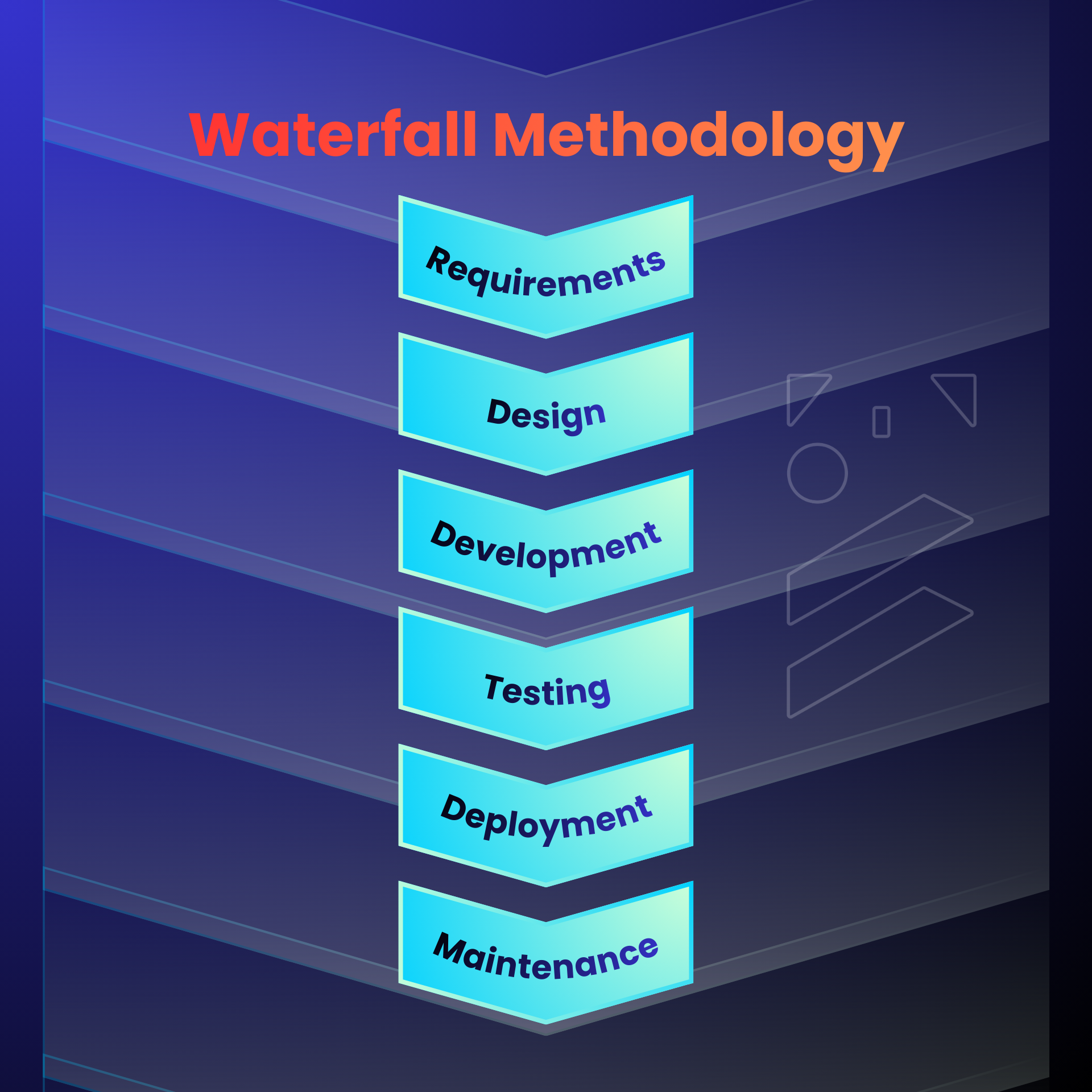
For most of the twentieth century, the waterfall model dominated system engineering in enterprise organisations. This approach relied on exhaustive upfront planning, detailed documentation and sequential delivery - a process that often led to inflexible architectures and slow realisation of business value, but provided a clear project map from the offset.
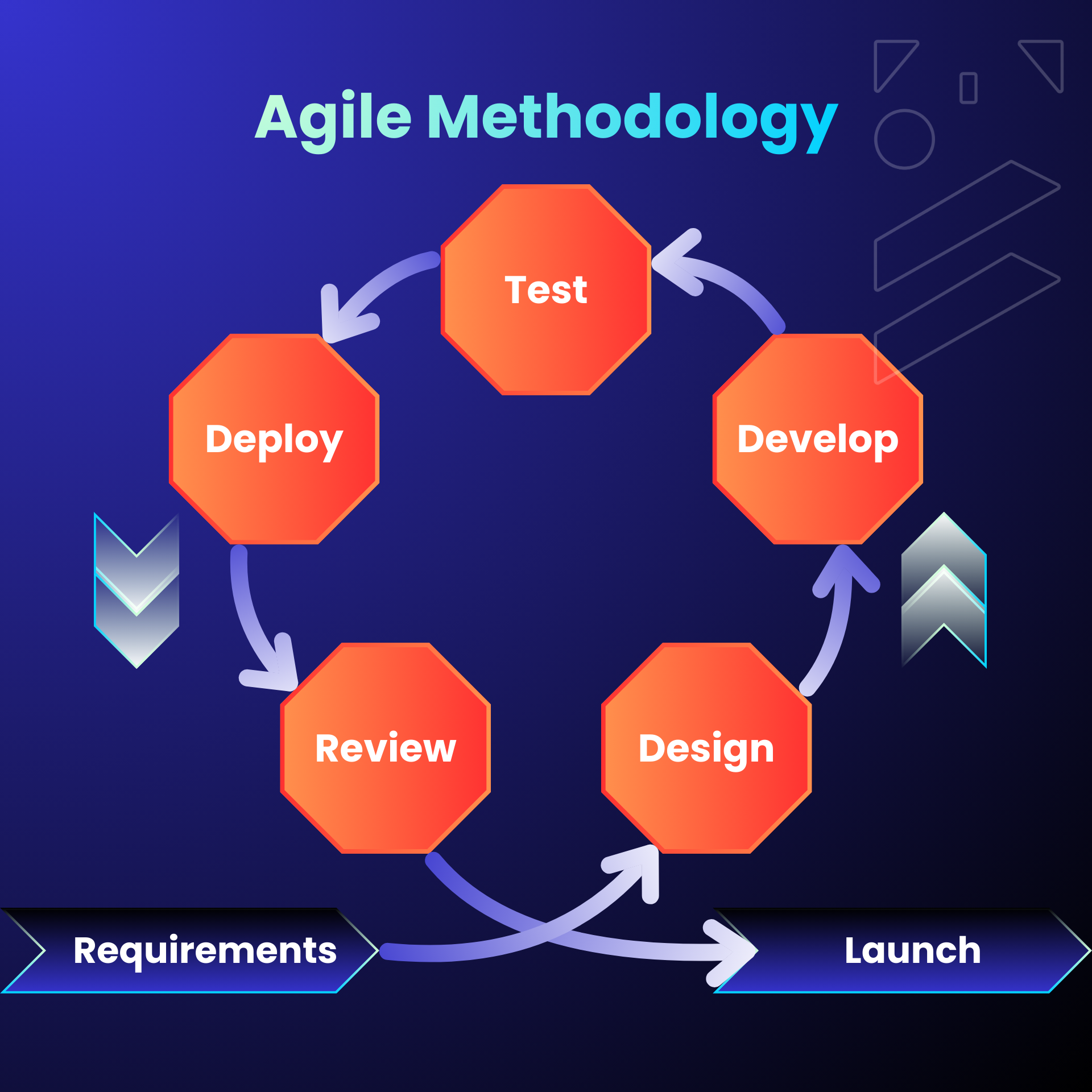
The late 2010s marked a fundamental shift. The meteoric rise of agile practices enabled organisations to break projects into shorter sprints thanks to faster technology development and increasing solution delivery speeds. This meant teams could adjust requirements quickly and put working solutions in end-users’ hands faster. DevOps introduced automation to testing, deployment and monitoring, further reducing the time from idea to impact. Most significantly, hyperscale public cloud platforms allowed teams to provision infrastructure instantly rather than wait months, making it realistic to develop, test and retire services with unprecedented speed.
Microservices architectures and platform-as-a-service options became the norm. Engineering leaders embraced modular, composable systems and adopted a more exploratory approach: instead of defining all requirements and technical designs upfront, teams iterated and tailored their systems as real-world feedback emerged. This delivered agility and resilience, but often at the cost of architectural consistency and institutional memory.
Scaffolding, Documentation and Clarity Makes Successful AI
AI introduces a new kind of complexity. Machine learning models, intelligent assistants and automation systems are deeply context-dependent. Their effectiveness hinges not just on data, but on a granular understanding of how systems operate, interact and evolve. In practice, this means that many organisations now find themselves needing to provide richer, more structured design information than the previous decade’s agile-first culture required.
Rather than relying solely on informal shared knowledge or minimal viable documentation, engineering teams are recognising the necessity for detailed specifications, rigorous decision logs and architectural standards that both humans and AI can interpret. The risks of early AI deployments include lack of clear information about data flows, minimal system boundaries, no insight into non-functional requirements and historic decisions, models that could make erroneous recommendations, which could all inadvertently introduce security risks or inefficiencies.
Through our engagements with financial services, energy and automotive clients, a pattern has emerged: successful AI systems are underpinned by robust architectural scaffolding, comprehensive documentation and a commitment to clarity in decision-making ahead of time.
Foundations for Enterprise AI: Spec-Driven Development and Architecture Decision Records
To meet the dual need for agility and precision, we are leading our customers to embed spec-driven development (SDDs) approaches and Architecture Decision Records (ADRs) at the heart of their engineering workflows.

Spec-Driven Development
Spec-driven development prioritises clear, formal specifications - living artefacts that define system behaviours, APIs, events, data models and operating constraints. These specifications serve as the cornerstone for both human engineering and AI-driven tooling.
Common approaches include:
Using Swagger specifications for API contracts.
Adopting AsyncAPI for event-driven architectures.
Storing infrastructure blueprints declaratively (e.g., Terraform, CloudFormation).
Ensuring your design and component libraries are codified and discoverable.
By embedding these specs within repositories like GitHub, alongside code and documentation, teams achieve key outcomes:
Single Source of Truth: Specifications are always up-to-date, versioned and accessible.
Enhanced Collaboration: Engineers can review, discuss and evolve specs through standard pull request workflows. Everything has an audit event and can be traced with CI-CD.
AI Enablement: Specifications provide structured context for AI assistants, which can analyse, validate or even generate system components informed by the organisation’s unique standards.
Spec-driven development helps bridge the divide between rapid iteration and architectural discipline. Systems remain modular and adaptable, but with clearer boundaries and more predictable behaviour vital attributes for AI-powered operations.
Architecture Decision Records (ADRs)
ADRs are concise, structured documents that record the rationale behind critical architectural choices. Typically added to the repository, each ADR covers a single decision, outlining:
The issue or context leading to the decision.
The options considered.
The decision made, with its trade-offs.
The expected (and potential) consequences.
ADRs offer a few advantages:
Traceability: All architectural decisions are tracked over time, supporting governance, compliance and future modifications.
Collective Ownership: Decisions are made visible to all stakeholders, not locked away in emails or technical meetings.
AI Integration: Decision logs provide essential context for AI tools assisting in design, refactoring or risk analysis.
By embedding ADRs and specifications directly in GitHub, organisations ensure that institutional knowledge is not siloed. They create a rich, discoverable repository of context, empowering humans and AI to work together effectively and adapt systems confidently.
The Well Architected Frameworks: Standardising for AI-Readiness
All major cloud providers (AWS, Azure, Google Cloud) offer a Well Architected Framework (WAF), a comprehensive set of guiding principles, reference architectures and blueprints. Once considered best-practice checklists, these frameworks are now essential in the AI era, especially for systems that run in the cloud.
A robust WAF enforces standards around key pillars: operational excellence, security, reliability, performance efficiency and cost optimisation.
As AI systems increasingly interact with mission-critical data and infrastructure, adherence to these frameworks reduces risk, ensures compliance and supports interoperability.
In our client work, we have seen the WAF used to:
Validate architecture for new AI services before deployment.
Provide approved patterns for modularity, resilience and scalability.
Anchor spec-driven development within a broader, enterprise-wide standards regime.
WAFs also provide blueprints, making it easier for teams to build systems that are both innovative and compliant, independent of individual expertise.
Conclusion
Modern system architecture is defined by tension: the need for flexible, modular systems that can adapt and scale and the imperative for rigorous design, documentation and standards.
AI pushes this balance further - models are only as effective as the context they are given, making comprehensive specifications and decision records indispensable.
AI is reshaping architectural practice for enterprise organisations. The age of pure emergent design is giving way to a hybrid model: modular, composable engineering underpinned by rigorous documentation and standards. SDD, ADRs and the WAF are critical enablers of sustainable, AI-ready systems.
For leaders preparing their organisations to capture the promise of AI, now is the time to embed these practices at the core of engineering workflows. Partner with consultancies who understand both the nuances of agile and the demands of enterprise AI, because future-proofed architecture is built on both innovation and discipline.