The AI-Native SDLC eBook
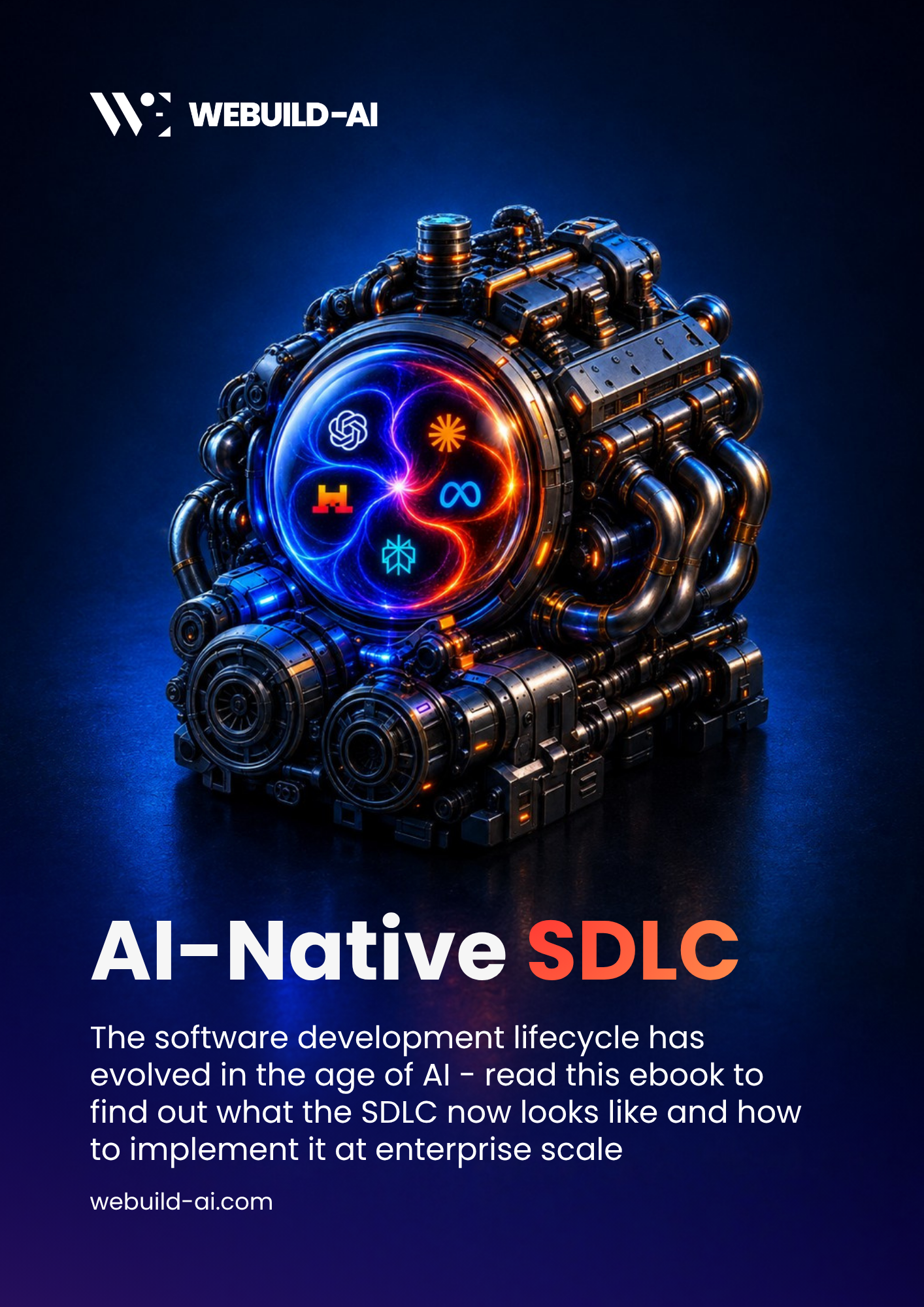
The AI-Native SDLC eBook
A comprehensive guide to what the software development lifecycle looks like now that AI agents are part of the team, and how to implement it at enterprise scale.
Most software development lifecycles were built for certainty. Requirements lead to design, design leads to implementation, implementation leads to testing, each phase reviewed and approved in turn before the next one begins. AI development doesn't work that way. It starts from uncertainty, moves through experimentation, and carries on well after deployment, because models need monitoring, retraining and validation long after they've shipped.
Add agents into the mix and the phases themselves start to blur. Testing, documentation and implementation increasingly happen at the same time rather than in sequence, which leaves most governance structures, built for a world of weeks between stage gates, struggling to keep up.
This guide sets out what an SDLC built for that reality actually looks like, drawing on how we've adapted delivery processes for enterprise teams in regulated industries. It's written for engineering leaders, delivery leads and architects who need their organisation to move quickly on AI without losing the governance and control regulated environments require.
What's inside
How AI agents are collapsing the traditional sequence of requirements, design, implementation and testing into a single, continuous process, and what that means for how you plan and staff delivery
The core changes needed to adapt a traditional SDLC for AI development, so you can keep the governance and testing that already work while removing the bottlenecks that don't
Why spec-driven development and context engineering succeed or fail together, and practical guidance for bringing both into your delivery process
What good governance looks like when experimentation, deployment and monitoring are all happening at once, rather than in tidy, sequential phases
How to apply all of this in a regulated environment, so lower-risk use cases can move fast while the highest-risk work still gets the rigour it needs
Publishing late 2026
Register your interest and we'll send you the report directly, ahead of general release.