
Insights
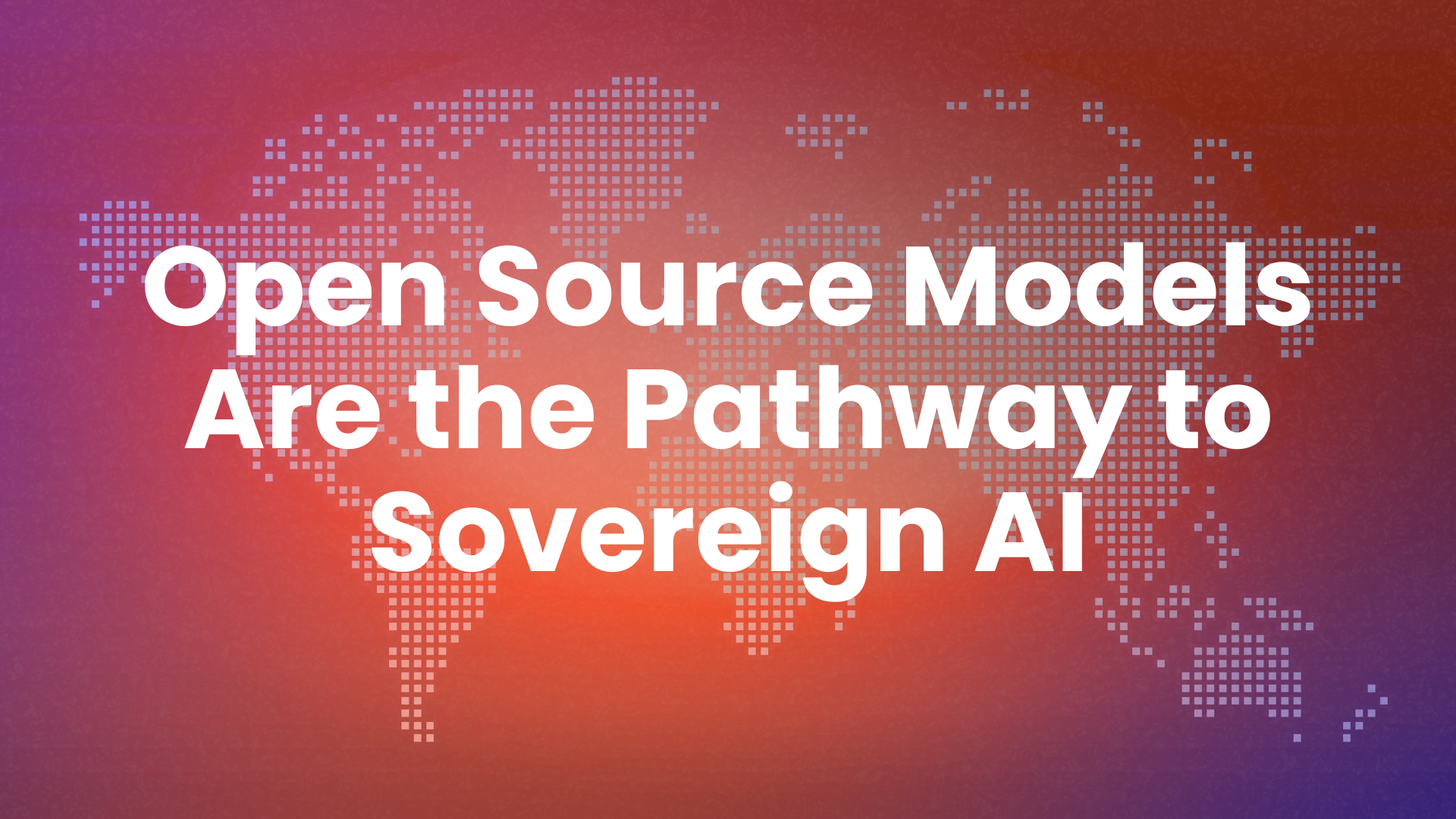
Open Source Models Are the Pathway to Sovereign AI
In this post we explore why open source models have crossed the threshold for everyday enterprise use, why Anthropic's decision to open source its Agent Skills framework is a bigger deal than it might first appear, and why the organisations best placed to move quickly with AI are those thinking carefully about where their data lives and which model is appropriate for which task.
A Primer on Generative Engine Optimisation
In an earlier companion piece we shared that agentic commerce has arrived, that buyers and their agents are increasingly beginning their journeys inside AI assistants, and that the answer an assistant returns is becoming the new shelf.

Three AI Workflows Every PE Due Diligence Team Should See
Discover which three AI workflows can have the most transformational value for PE due diligence teams, based on our industry experience with real customers and in-house AI expertise.

The Open Model Moment: Why Every Enterprise Needs a Multi-Model Strategy
The open model shift is accelerating, and three moves in the last fortnight show exactly where this is heading. Stop paying someone else's margin to think for you and adopt a multi-model strategy.
Why Context Graphs Will Define AI Success in Regulated Industries
Highly-regulated industries require data relationships, provenance and context, provided through context graphs that supplement RAG, vector databases and MCP.
The Future of Work: The Role of AI in the Next Decade
Read this briefing document for essential insights into how AI will reshape work, skills and competitive advantages in enterprises by 2030.
Why (and why not) train a language model from scratch
Learn about why (and why not to) train a language model from scratch - plus, what would be required to implement in practice
Why Small Language Models Are the Key to Agent Independence
Open source small language models offer organisations a strategic path to building AI agents that avoid vendor lock-in, enable explainability for regulated industries and provide operational independence from the three dominant LLM providers.
How MCP Transforms Your Software Delivery Lifecycle
Gain insight into how Model Context Protocol (MCP) transforms the software delivery lifecycle, letting AI agents work across your system and integrate seamlessly with your data.
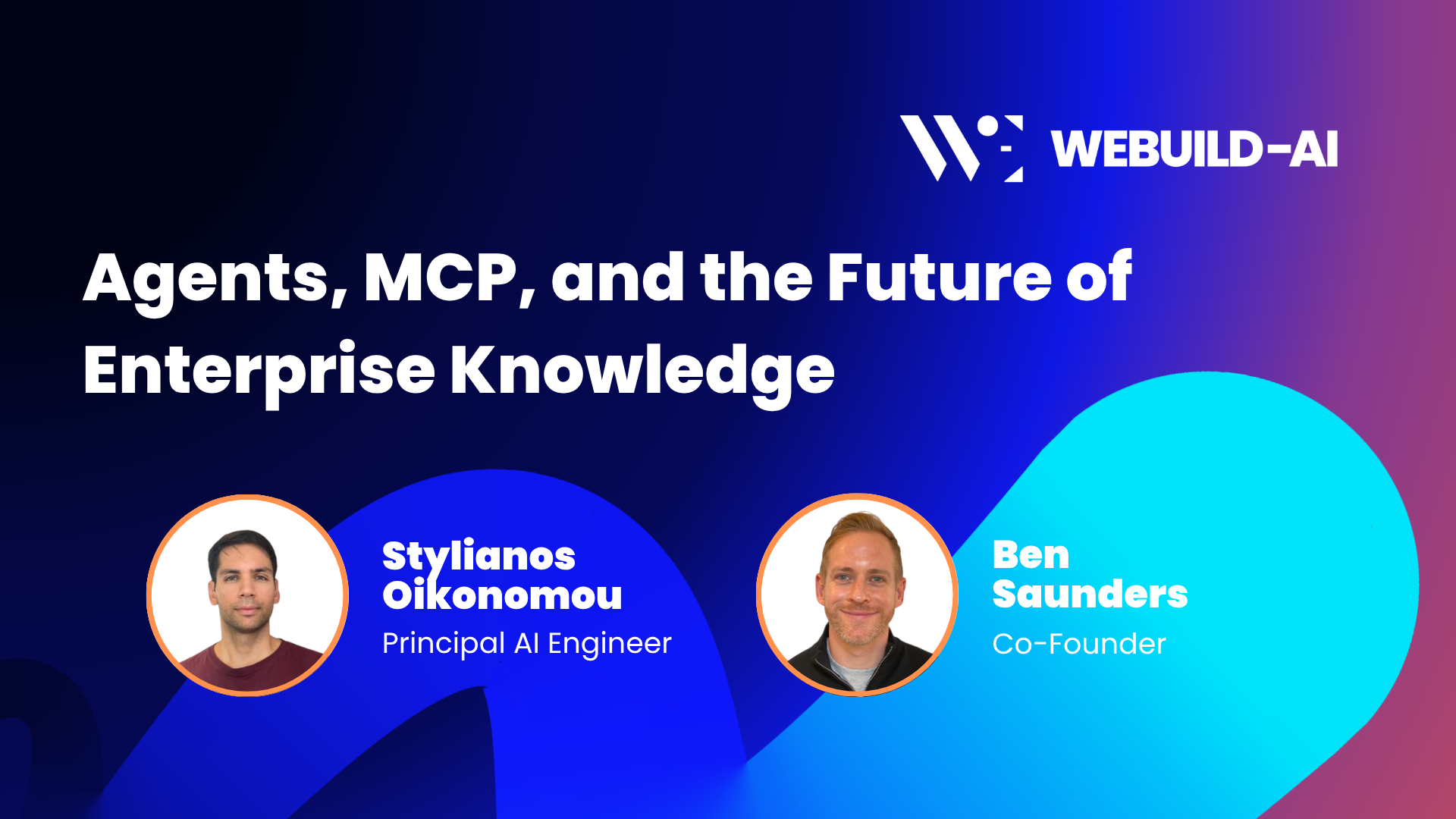
Webinar Replay: Unlocking the True Power of Enterprise AI
Watch our webinar recording, where we demonstrate how Model Context Protocol (MCP) and AI agents convert conversational AI into business tools.

Joining the 5% Inner Circle: Moving Beyond the AI Failure Narrative
Discussing what organisations must do to join the small group that succeeds in AI adoption - only 5%, according to MIT research from 2025.

Will MCP Make RAG Obsolete?
We examine the relationship between Model Context Protocol (MCP) and Retrieval-Augmented Generation (RAG), asking if MCP’s capabilities will remove the role or shift the relevance of RAG in enterprise systems.

Practical Lessons from Deploying MCP in the Enterprise
Practical learnings from real enterprise deployments of MCP: architecture decisions, challenges, tradeoffs and guidelines for adoption at scale.

Protecting Enterprise Data in the MCP Era
Covering the data governance, security and privacy challenges that arise when connecting AI agents to enterprise data via Model Context Protocol (MCP), as well as how to mitigate risks.

How MCP Transform Enterprise Intelligence
How MCP enables AI systems to make insights more actionable, integrated and contextually aware, based on relevant enterprise data.